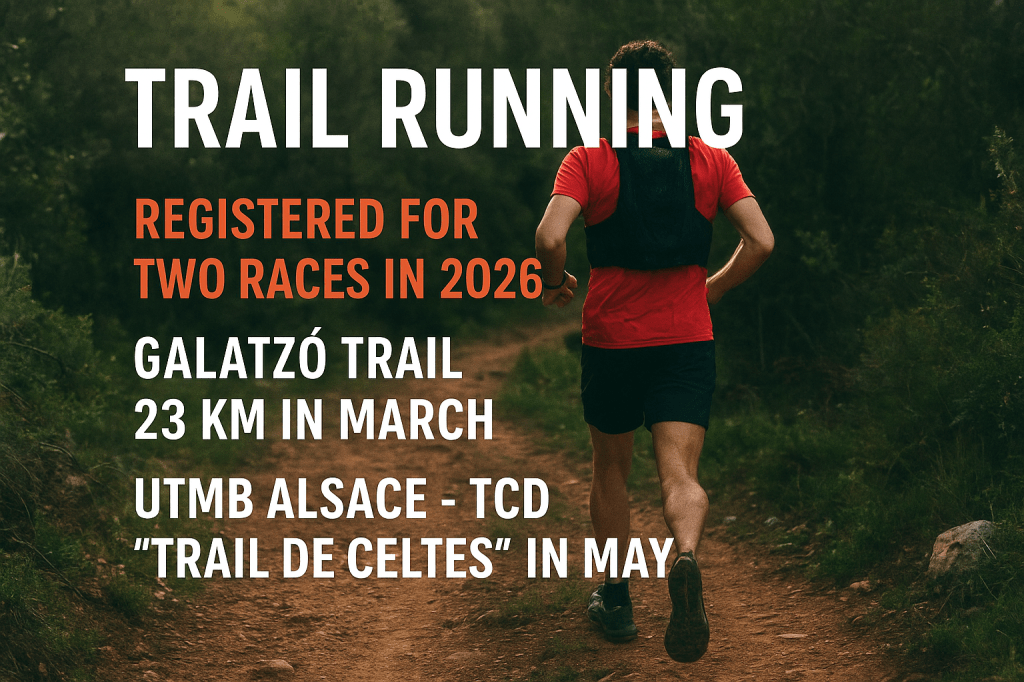
After focusing a lot on long hikes and preparation for 24-hour events in 2025, I’m already setting my sights on new challenges for 2026 – and this time it’s all about trail running.
I’ve officially signed up for two exciting races:
Galatzó Trail – 23 km (March 2026, Mallorca)
The Galatzó Trail takes place in the stunning Serra de Tramuntana mountains on Mallorca. The 23 km course combines rugged trails, steep climbs, and spectacular Mediterranean views. It’s the perfect early-season race to test my fitness on technical terrain and soak in the unique atmosphere of trail running in the Balearic Islands.
UTMB Alsace – TCD “Trail des Celtes” (May 2026, France)
Just two months later, I’ll line up at the UTMB Alsace in France. I’ve chosen the Trail des Celtes (TCD), a race that winds through vineyards, forests, and rolling hills in the Alsace region. Being part of the UTMB World Series, this race promises not only challenging trails but also an incredible international trail-running vibe.
Training Plan
To get ready, I’ll be following the “50 km Trail Run Training Plan” from Coros. Even though my upcoming races are slightly shorter, the structure of this plan is ideal: long runs, elevation-focused workouts, strength training, and the right mix of recovery. It will give me the endurance and resilience I need for back-to-back trail events.
Why 2026 Will Be Special
What excites me most is the variety: from the Mediterranean mountains of Mallorca to the cultural and natural beauty of Alsace, these trails will not only test my legs but also create memories on some of the most scenic courses in Europe.
I can’t wait to share the journey step by step – training insights, race preparation, and of course the big days themselves.
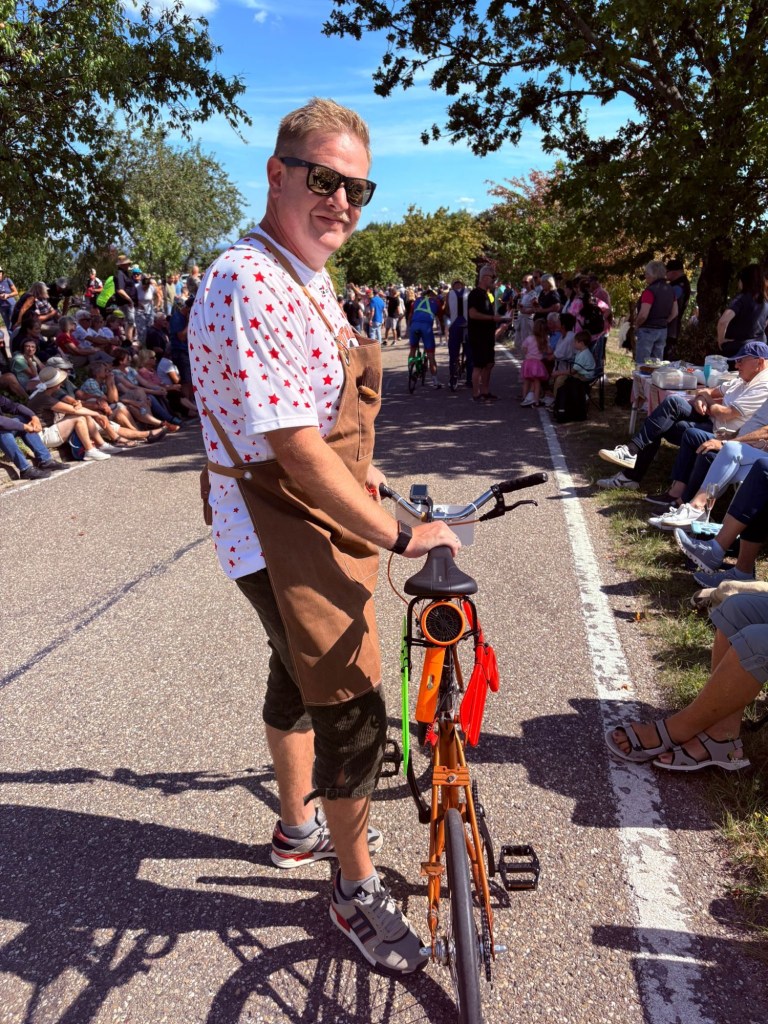
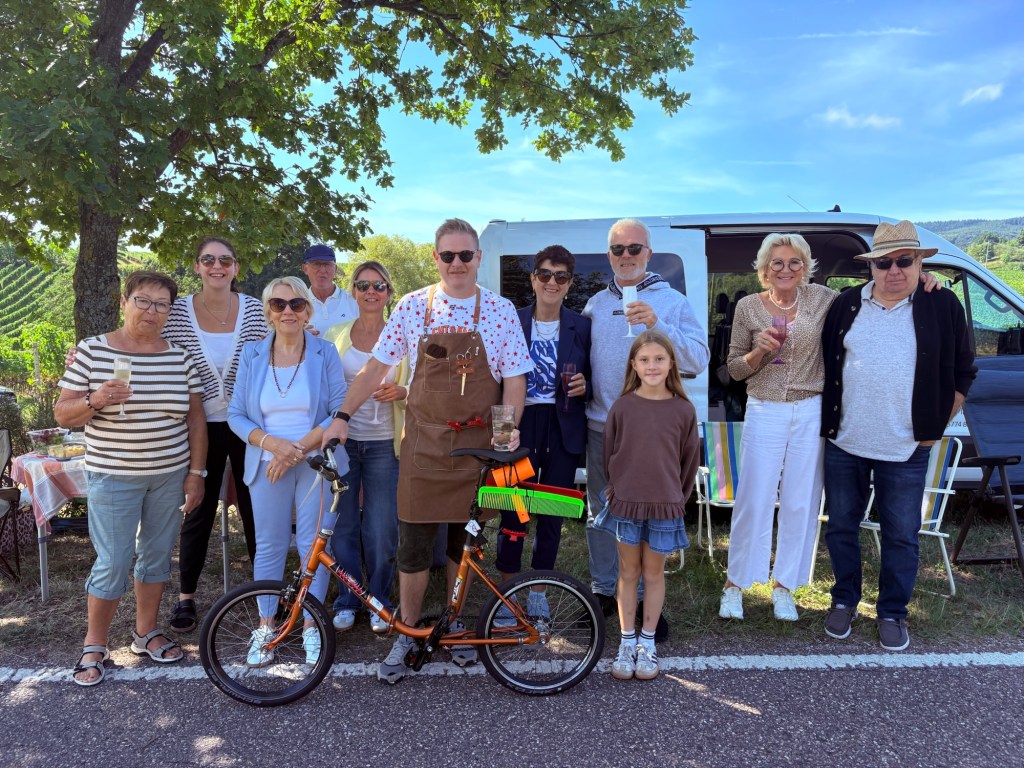
This year I once again took part in the legendary Kalmit Folding Bike Cup in Maikammer – and I managed to set a brand-new personal best: 39 minutes and 57 seconds! For the very first time, I broke the 40-minute barrier, and I’m really proud of that.
For those who don’t know the event: the Kalmit Folding Bike Cup is a unique race where riders climb the Kalmit – the highest mountain in the Palatinate region – on an old folding bike with no gears. The race starts in Maikammer and covers around 11 kilometers with nearly 500 meters of elevation gain. It’s pure madness – but also an incredible amount of fun.
What makes the event so special is not just the challenge, but the atmosphere: many participants race in costumes, the crowd along the course is fantastic, and the event has truly earned cult status.
For me, it was once again a highlight of the year. My legs were burning, my heart rate was through the roof, but in the end, every bit of effort was worth it. A new PB and a ton of fun – it doesn’t get any better than that!
I’m already looking forward to the 35th edition next year. 🚴♂️💪
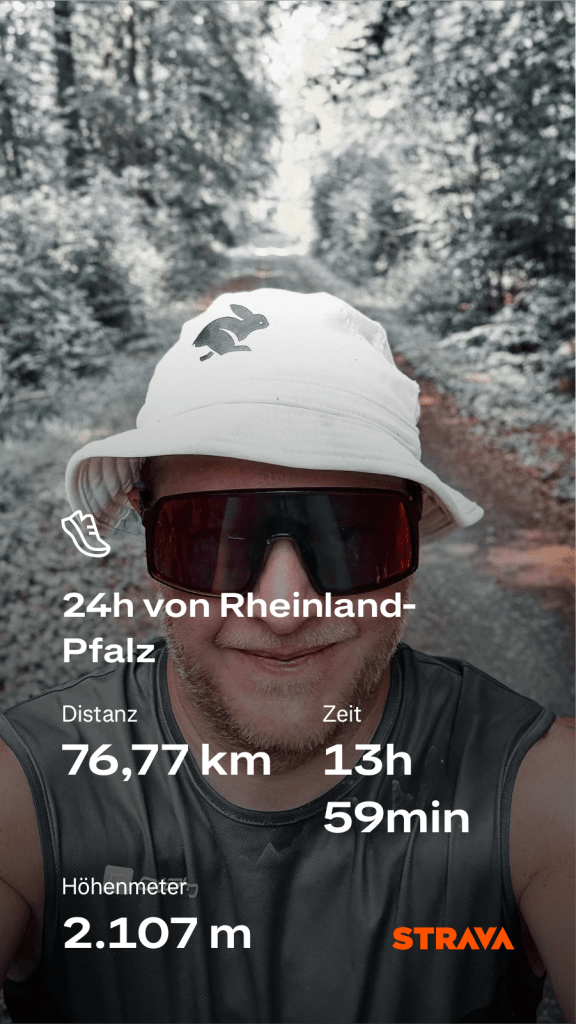
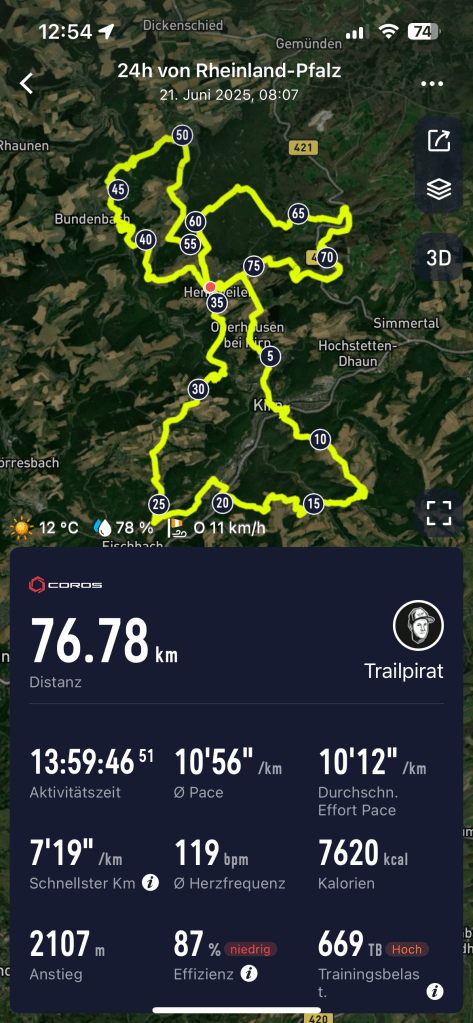
On June 21st, 2026, I took part in the 24h run of Rhineland-Palatinate. What followed was an intense and rewarding journey across 76 kilometers in the blazing summer heat — a true endurance adventure.
A Strong Start
Right from the beginning, everything felt great. No issues, no aches, just fresh legs and a focused mind. I quickly found my rhythm and could fully enjoy the experience. Conditions were hot — around 28°C — but I felt well-prepared.
Fueling for Success
One of the key reasons this run went so well was my nutrition and hydration plan. Every 7 to 8 kilometers, I took a 30 kcal energy gel, and once every hour, I made sure to take a salt tablet. This strategy turned out to be spot-on: I stayed energized, hydrated, and avoided any cramping or dips in performance.
Staying Strong, Even as the Legs Tired
Up until about the 50-kilometer mark, everything went smoothly. After that, the legs started to feel heavy — naturally — but I was still able to keep moving, keep running. There were no mental lows, no struggles beyond the expected fatigue. I managed my pace, stayed cool, and kept fueling.
A Finish to Be Proud Of
After 76 kilometers, I stopped with a deep sense of satisfaction. There was no crash, no wall — just the kind of tired that comes from giving your best. It was tough, it was hot, but I finished strong and with a smile on my face.
Conclusion
The 24h run of Rhineland-Palatinate showed me what’s possible with the right mindset, a solid plan, and good self-awareness. I’m proud of these 76 kilometers — not because I pushed through suffering, but because I ran with focus, joy, and respect for the conditions.
Thanks to the organizers, volunteers, and fellow runners — I’ll be back!
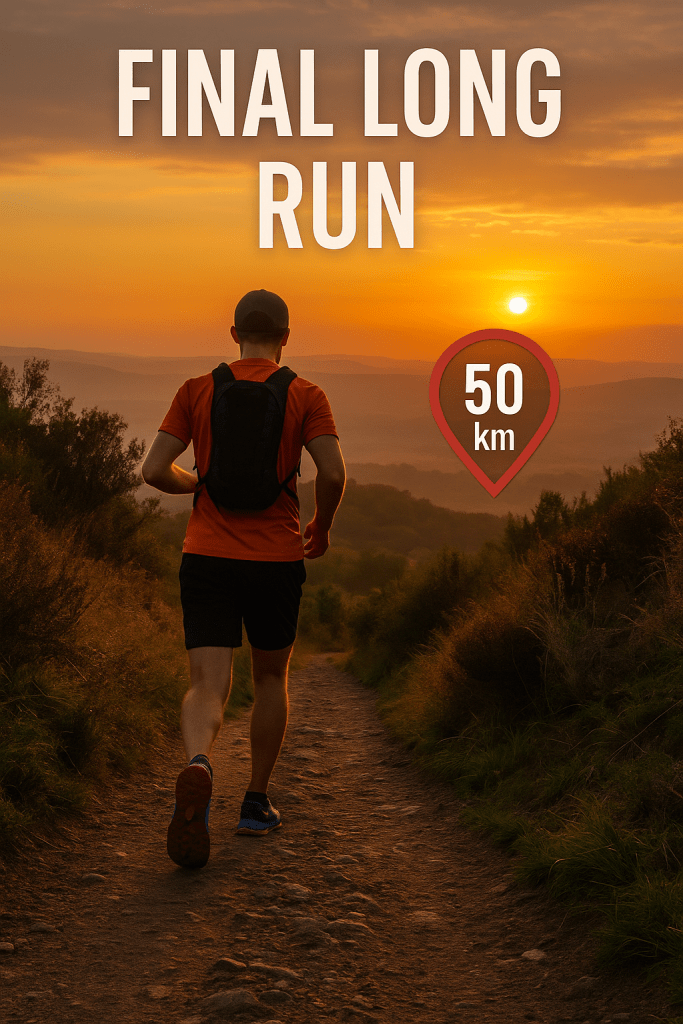
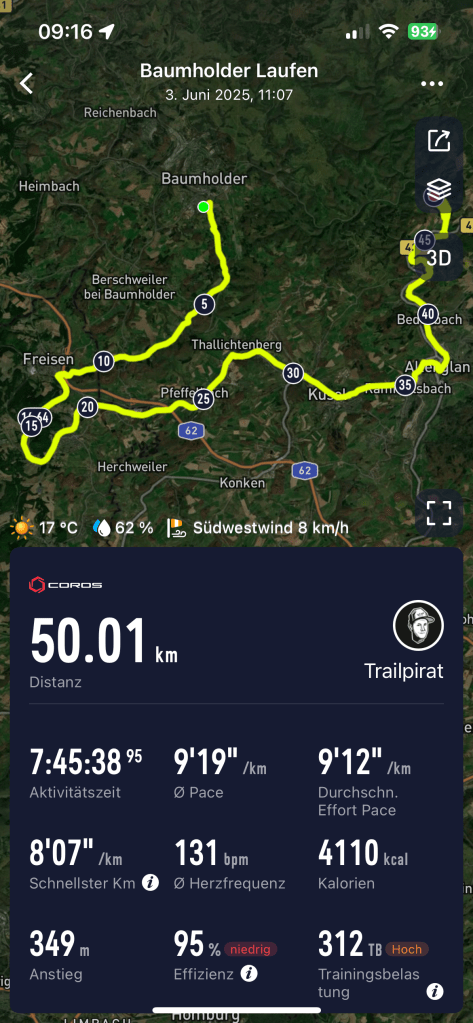
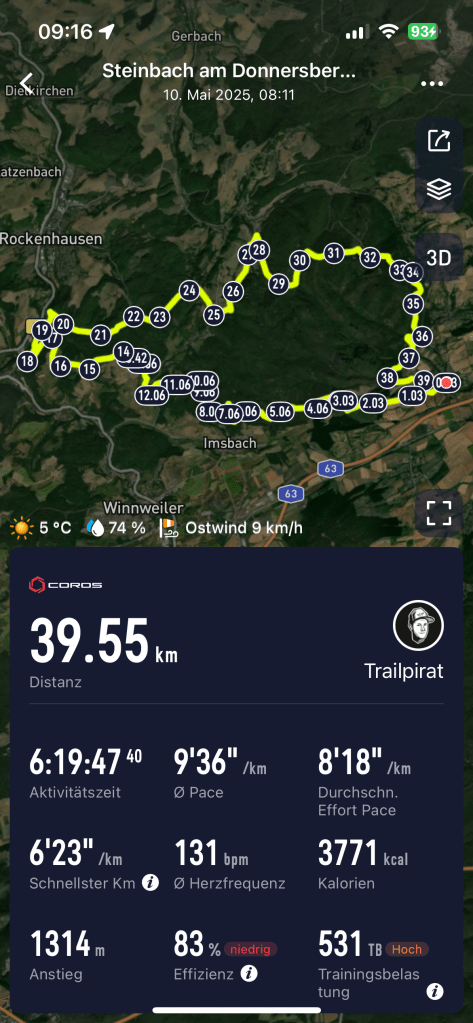
Yesterday, I completed my final long run (well, more of a hike to be honest) before the big event — and it went great! The route was 50 kilometers long, and even though my legs started to feel heavy toward the end, that’s pretty normal for this kind of distance.
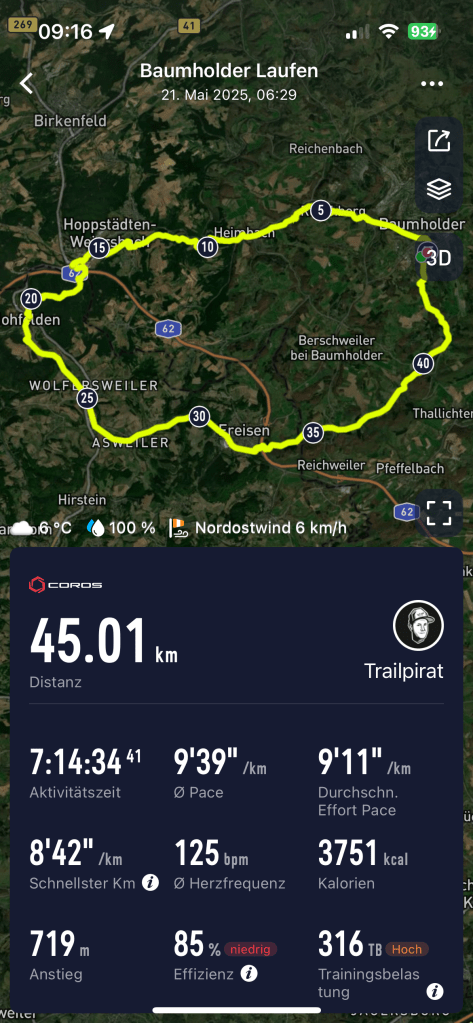
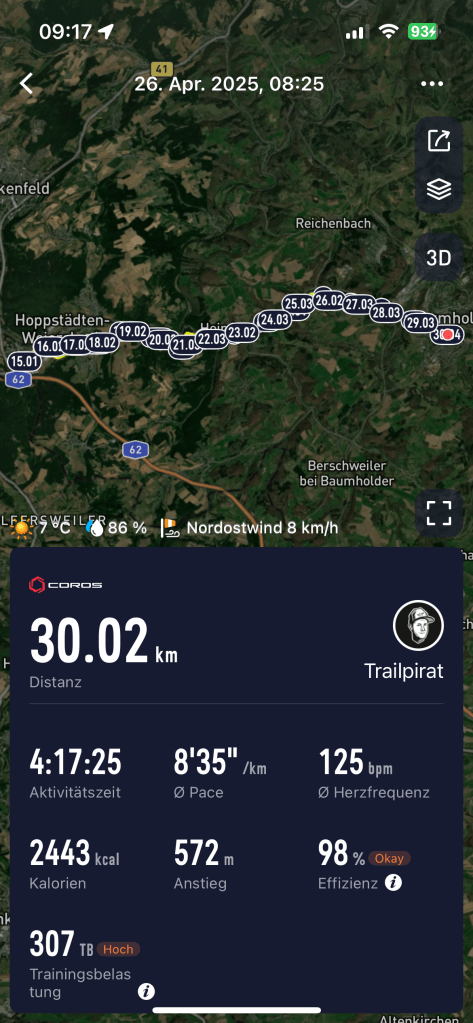
Looking back at the past few months, I’ve put in some solid training. If you scroll through the photos, you’ll see all of my long runs and hikes so far this year. They weren’t easy — with different terrains, weather conditions, and lots of elevation — but I feel like I’ve built a strong foundation.
That’s why I’m feeling confident and well-prepared for the “24h von Rheinland-Pfalz” on July 21, 2025 here in Germany. It’s going to be a huge challenge, but I’m ready to take it on!
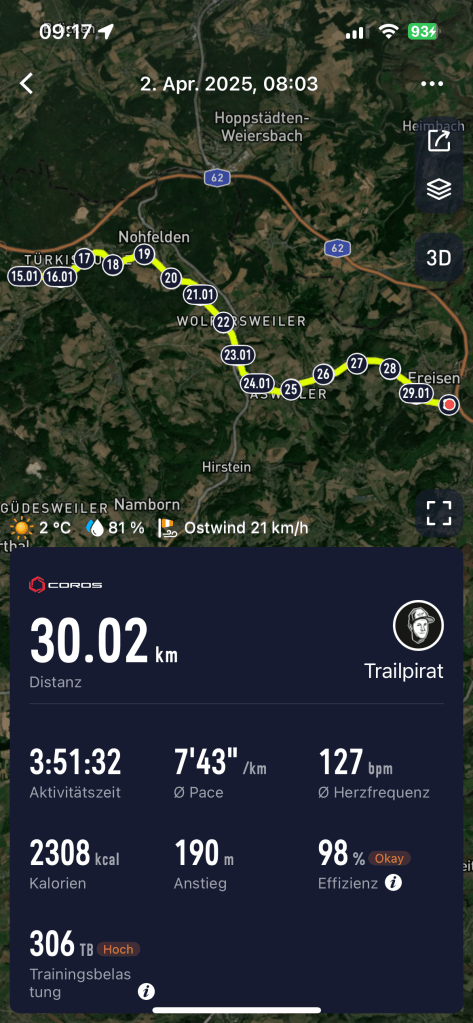
With two successful 30K+ long hikes completed, I’ve built a solid foundation for my preparation for the 24-hour event. My body is already adapting: while the first 33K long hike left my legs feeling heavy, the second 30K hike felt noticeably better. But what do the numbers say about my performance?
Detailed Data Analysis: Progress Between the Two Long Hikes
1. Overall Comparison
Long Hike 1 (33.67 km)
Long Hike 2 (30.02 km)
Change
Duration
4:27:49 h
3:51:32 h
-36 min
Pace
7:57 min/km
7:43 min/km
Faster
Heart Rate (Avg.)
136 bpm
127 bpm
-9 bpm
Elevation Gain
517 m
306 m
-211 m
Calories Burned
2675 kcal
2308 kcal
-367 kcal
➡ Key takeaway:
Despite running at a faster pace, my average heart rate in the second long hike was 9 bpm lower, indicating that my body is becoming more efficient. I also felt less fatigued—a great sign of adaptation.
2. Training Efficiency: How Well Did I Manage My Effort?
Heart Rate Zones
Zone
Long Hike 1 (33K)
Long Hike 2 (30K)
Zone 1 (<131 bpm, Recovery)
27% (1:12 h)
47% (1:48 h)
Zone 2 (131-147 bpm, Endurance)
69% (3:10 h)
49% (1:54 h)
Zone 3 (147-166 bpm, Moderate Effort)
4% (0:10 h)
4% (0:09 h)
➡ Key takeaway:
In my first long hike, I spent more time in Zone 2, meaning my body had to work harder.
In the second long hike, I spent more time in Zone 1, which suggests my endurance has improved.
Conclusion: My cardiovascular system is becoming more efficient, allowing me to sustain long efforts with a lower heart rate.
3. Stride Dynamics & Running Economy
Long Hike 1 (33K)
Long Hike 2 (30K)
Change
Cadence (steps/min)
132
128
-4
Stride Height (cm)
10.4 cm
9.8 cm
-0.6 cm
Ground Contact Time (ms)
348 ms
361 ms
+13 ms
Power Output (W)
191 W
190 W
Stable
➡ Key takeaway:
Slight decrease in cadence: Indicates a more controlled, less rushed movement—possibly due to improved pacing.
Slight decrease in stride height: Suggests a more energy-efficient movement with less unnecessary vertical motion.
Slight increase in ground contact time: Could mean a more relaxed stride as my body adapts to long efforts.
What does this mean?
My movement is becoming smoother and more economical, reducing energy loss and making long efforts feel easier.
4. Energy Expenditure & Nutrition
First long hike (33K): 2675 kcal burned
Second long hike (30K): 2308 kcal burned
➡ Key takeaway: My energy expenditure was higher in the first hike due to the longer distance and higher heart rate.
Since I consumed three energy gels per hike (each with 30g of carbs, totaling 90g per session), I might experiment with slightly increasing my intake (e.g., 120g of carbs) to see if it further improves my endurance.
Conclusion & Key Takeaways for Future Long Hikes
✔ My body is adapting: The lower heart rate and better recovery after the second hike indicate improved endurance.
✔ My movement is becoming more efficient: I am hiking more smoothly with less unnecessary energy loss.
✔ My energy management is on track: My fueling strategy worked well, but I may slightly increase carb intake to test its effects.
➡ Next steps:
🔹 Keep incorporating long hikes to continue the adaptation process
🔹 Introduce more trail sections to improve technical hiking skills
🔹 Experiment with slightly higher carbohydrate intake to optimize performance
With these insights, I can refine my training strategy and tackle my next 30K+ hike with even more confidence!
• “Five loops. 100 miles. 60,000 feet of elevation gain. Less than 20 finishers in almost 40 years. The Barkley Marathons is not just a race – it’s a legend.”
• Why this race is so fascinating
2. The Origins: An Ultra Race Born as a Joke
• Lazarus Lake (Gary Cantrell) and his idea
• How the 1977 prison escape of James Earl Ray from Brushy Mountain State Prison inspired him
• “If a convicted felon could only manage 8 miles in 55 hours, then an ultrarunner would find a real challenge here.”
• The first race in 1986, with only a handful of participants
3. The Rules: Absurd, Brutal, and Mysterious
• The Course
• 5 loops of roughly 20 miles each through Frozen Head State Park
• Constant elevation changes, barely any marked trails
• The Application Process (The Big Secret)
• No official website
• Runners must find Lazarus Lake’s email and submit a compelling application
• New runners pay a $1.60 entry fee and are often required to bring a license plate from their home country
• The Books as Checkpoints
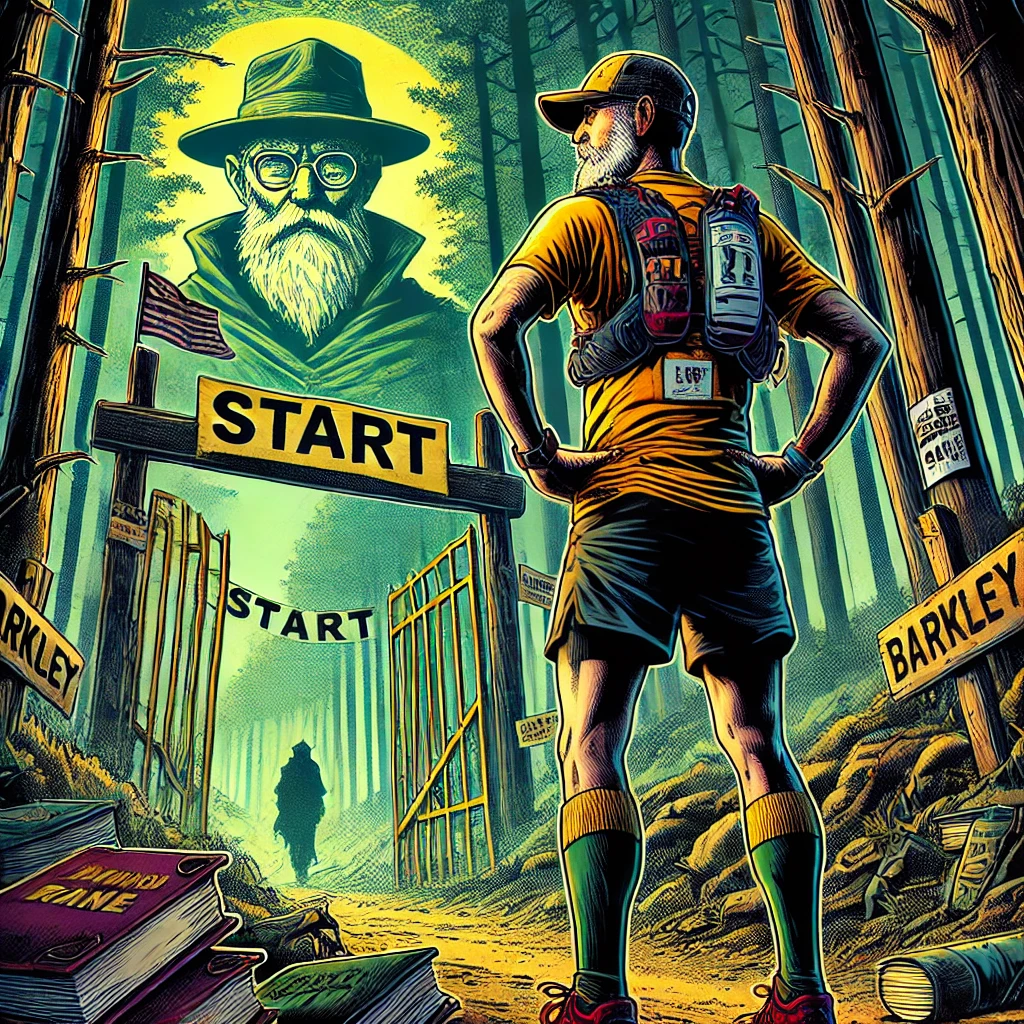
• At secret locations along the course, runners must tear out pages from books to prove they followed the correct route
4. The Evolution: From Insider Secret to Global Legend
• How it gained attention
• For years, it remained a niche race for die-hard ultrarunners
• The 2014 documentary “The Race That Eats Its Young” made Barkley famous worldwide
• A Netflix documentary in 2024 sparked a new wave of interest
• Fewer than 20 finishers in the race’s history
5. Why Has the Barkley Marathons Become a Cult Race?
• The mystery around the application process
• The insane difficulty level – even elite ultrarunners fail
• The traditions & inside jokes
• The “Taps” song played for those who fail
• The famous “Yellow Gate” as the start and finish line
6. Conclusion: A Race for Legends
• Why the Barkley Marathons remains one of a kind
• How it differs from other ultra races
• Open question to readers: “Would you dare to apply?”
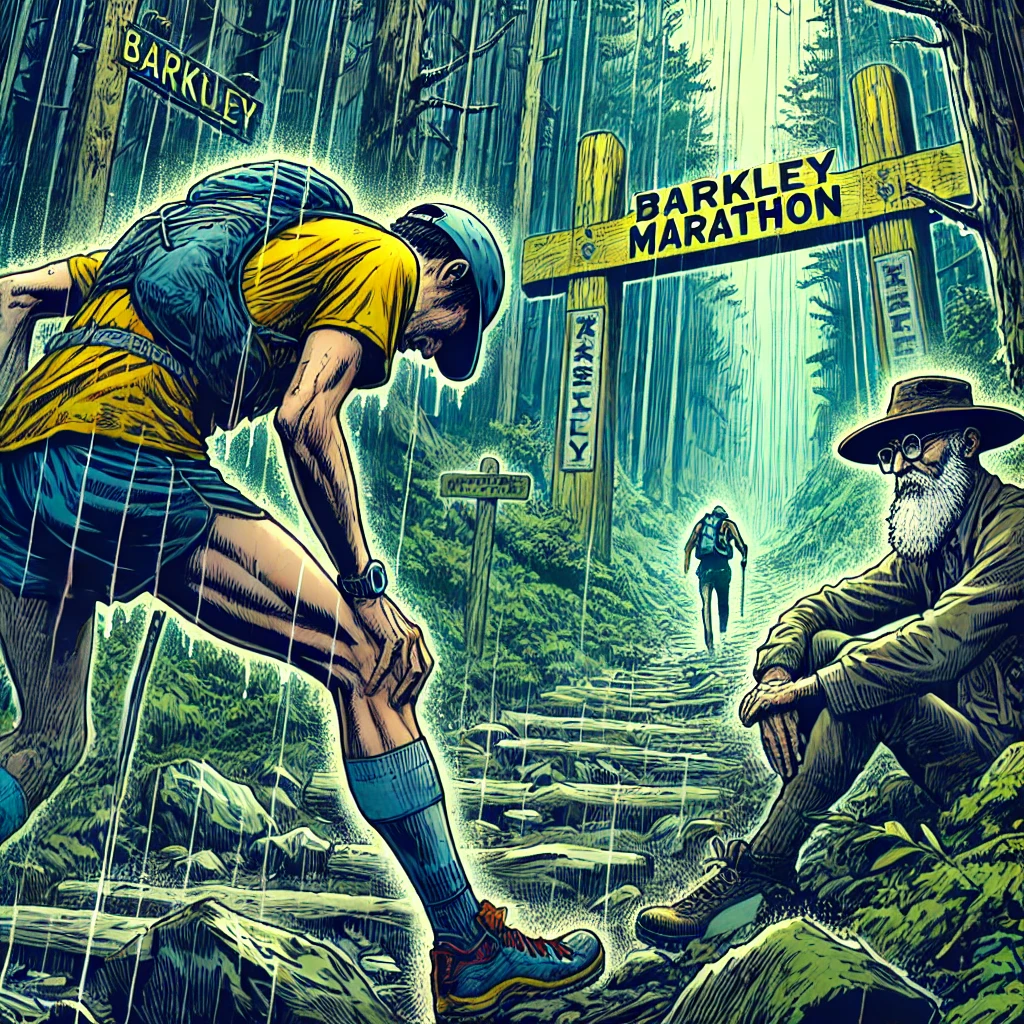
Every ultrarunner has heard the legends of the Barkley Marathons—the race where more people have quit than finished. Five loops through the unforgiving terrain of Frozen Head State Park in Tennessee, over 60,000 feet (18,000 meters) of elevation gain, barely marked trails, and a 60-hour time limit. Most of us dream about it, but only a few even make it to the starting line.
Why? Because even signing up is its own challenge.
The Secret of Registration
For most ultras, you just go online and sign up. Not for Barkley. The only way to enter is by emailing the legendary race director, Lazarus Lake. The catch? His email address is a secret.
Every year, runners embark on a different kind of quest: searching for that email address. They scour old forums, dig through blog posts (like this one), and try to connect with past participants for hints. If you do find it, you’ll need to submit an application letter that convinces Laz you’re worthy. And the entry fee? A license plate from your home state.
How to Find the Secret Email Address
Honestly? There’s no easy way. But if you truly want to run Barkley, the journey to get there should be as tough as the race itself. Here are a few tips:
1. Read race reports and blogs. Some interviews or posts contain subtle hints. A great place to start is this detailed guide from former finisher John Kelly:
2. Talk to past participants. If you know someone who has run Barkley, ask them for guidance. But don’t expect them to hand over the email address easily.
3. Check official sources. While there’s no official sign-up page, some FAQ sites offer basic details about the race:
4. Run the Barkley Fall Classic. This shorter race is considered a stepping stone to the full Barkley. Doing well here might put you on Laz’s radar.
5. Get creative. Rumor has it that the email address is somewhere online—but hidden well. A deep dive into the internet might just lead you to it.
Final Thoughts
The Barkley Marathons isn’t just a race—it’s a quest. Even if you never make it to the start, just searching for a way to apply is an adventure in itself. And who knows? Maybe you’ll crack the code, send a killer application, and one day stand at the infamous yellow gate in Tennessee, ready for the race of a lifetime.
Until then: Keep running, stay curious, and embrace the pain.
I canceled Strava and Zwift. Why? They’re expensive, and I don’t need them anymore. With my COROS watch, I have everything I need in one place: training tracking, GPS, and analytics – no extra costs. Fewer apps, more focus!
The first week of my training is done, and I couldn’t be happier to be back on track. In total, I covered 25 kilometers and climbed 957 meters – quite the challenge, but that’s exactly what makes it exciting!
 BarkleyMarathon.com